
There’s still a surprising number of small businesses running entirely on word of mouth and a Facebook page, doing fine for a few years, and then suddenly hitting a wall they can’t quite explain. Referrals slow down.
New customers stop showing up as easily as they used to. A competitor down the street who wasn’t even around two years ago somehow seems to be getting all the attention. Nine times out of ten, when you dig into what changed, it comes back to the same thing. That competitor built a real website, and the business relying only on social media and word of mouth didn’t.
Advantages of a Professional Website
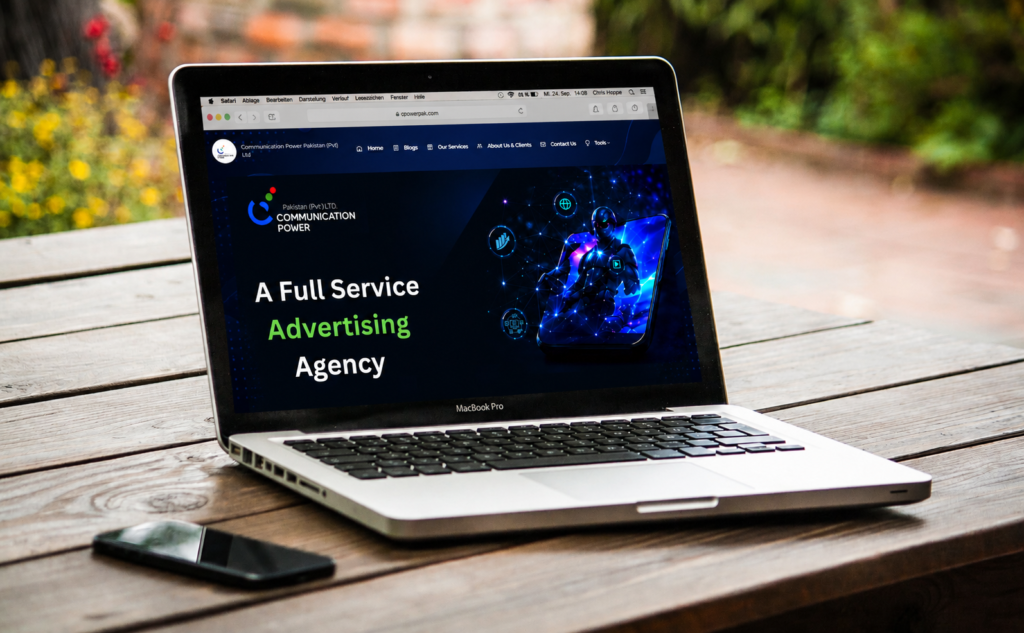
A professional website helps businesses build credibility, attract new customers, and grow their brand online. It creates a strong first impression and shows that your business is trustworthy and reliable. A well-designed website is available 24/7, allowing potential customers to learn about your products or services at any time. It also improves your visibility on search engines, making it easier for people to find your business. Professional websites load quickly, work smoothly on mobile devices, and provide a better user experience, increasing the chances of generating leads and sales. In addition, they support digital marketing strategies such as SEO, Google Ads, and social media campaigns. Overall, a professional website is a valuable investment for long-term business success and growth.
This isn’t a knock on businesses that got started without one. Plenty of businesses survive for years without a proper site, especially ones that lean heavily on repeat customers or a strong local reputation. But surviving without something and actually growing because you have it are two very different situations, and a professional website tends to be the difference between the two once a business reaches a certain size or starts competing in a slightly more crowded market.
What Counts as a Professional Website Anyway
Before getting into why a website matters, it’s worth being clear about what actually counts as “professional” here, because a lot of businesses technically have a website and still lose customers because of it.
It’s Not Just Having a Site, It’s Having One That Works
A professional website isn’t defined by how much it cost or how fancy the design looks. It’s defined by whether it actually does its job. That means it loads quickly, it works properly on a phone screen, it clearly explains what the business does within a few seconds of landing on the homepage, and it makes it obvious how to actually contact the business or make a purchase. A lot of small business websites fail at one or more of these basics, usually because they were built years ago and never touched again, or because they were built cheaply with more attention paid to how it looked in a screenshot than how it actually performs for a real visitor trying to get something done.
The Difference Between a Website and a Social Media Page
A lot of business owners assume a Facebook page or an Instagram profile is basically the same thing as a website, just on a different platform. It’s not, and the difference matters more than people realize. A social media page is rented space. The platform controls what your page looks like, what features you have access to, whether your posts even show up in front of the people who follow you, and whether the platform itself stays relevant five years from now. A website is space you actually own. Nobody can change the algorithm on you overnight, restrict your reach without warning, or shut your account down over a policy dispute that has nothing to do with how your business actually operates.
The Trust Factor Nobody Talks About Enough
One of the most underrated reasons a professional website matters comes down to something fairly simple: people check.
Customers Research Before They Buy, Even for Small Purchases
Even for something as small as picking a local plumber or choosing between two nearby coffee shops, a huge number of people will quietly look the business up online before deciding whether to actually call or walk in. If that search turns up nothing beyond a Yelp listing with outdated hours and no real information, or worse, nothing at all, it plants a small seed of doubt. Is this business still open. Is it actually reputable. Would a more established competitor be a safer bet. None of these thoughts are dramatic on their own, but they add up, and they often tip a close decision toward whichever business looked more established online.

A Website Signals Legitimacy Without Saying a Word
There’s something about a clean, functioning website that quietly communicates legitimacy the way a business card used to decades ago. It doesn’t need to say “we’re a real, trustworthy company” anywhere on the page. The simple fact that it exists, loads properly, and clearly lays out what the business offers does that work on its own. This matters most for newer businesses without years of reviews or reputation built up yet, since a solid website can partially substitute for that missing track record in the eyes of a first time visitor.
Being Found Matters More Than Looking Good
A beautifully designed website that nobody ever finds isn’t doing much for the business behind it. This is where a website starts to separate itself from social media in a very practical way.
Owning Your Content Instead of Renting Attention
Every post shared on social media eventually gets buried under newer posts, both from the business itself and from everyone else the audience follows. A blog post or service page on a website doesn’t disappear the same way. It can keep bringing in visitors months or years after it was written, especially if it answers a question people are actually searching for. This is one of the quieter, long term advantages of having a website that a lot of business owners underestimate until they see it firsthand, usually after watching an old page they nearly forgot about quietly keep bringing in inquiries on its own.
Search Engines Send People Who Are Already Looking
When someone searches for a service in their area, whether that’s a plumber, an accountant, or a landscaping company, a well built website with clear, honest content has a real chance of showing up in those results without paying a cent for an ad. A social media page rarely shows up in a general search the same way, and even when it does, it usually offers far less useful information than an actual site would. This means a website isn’t just a passive brochure sitting online waiting to be found by accident. Done properly, it becomes an active source of new customers who are actively searching for exactly what the business offers, at the exact moment they’re ready to make a decision.
A Website Works Even When You’re Not
There’s a very practical, almost boring reason a professional website matters that doesn’t get talked about enough, and it has nothing to do with marketing theory.
It Answers Questions at Two in the Morning
A customer thinking about your business doesn’t always do it during your business hours. Someone might decide at eleven at night that they want to book an appointment, check your pricing, or see examples of your past work. A website sits there answering those questions any time someone shows up, without needing a staff member awake to respond. A social media inbox or a phone line simply can’t offer the same always-available access to basic information.
It Reduces Repetitive Work for Your Team
A well built website with a clear FAQ section, service descriptions, and pricing information, where appropriate, cuts down on the number of times your staff has to answer the same basic questions over the phone or in messages. This isn’t just a convenience. For a small team, this can free up a meaningful amount of time that used to go toward repeating the same explanation to every new caller.
Common Objections That Don’t Hold Up as Well as They Used To
A lot of business owners have reasons for skipping a real website that made more sense years ago but hold up less well today.
“My Customers Just Find Me Through Referrals”
Referrals are genuinely valuable, and no website replaces a strong word of mouth reputation. But referrals almost always lead to a moment where the new customer looks the business up before making contact, just to confirm it’s legitimate and see what it actually offers. A referral without a website behind it is still relying on that customer taking a leap of faith based purely on a friend’s word, when a quick, reassuring website visit could have removed that hesitation entirely.
“Social Media Is Free and a Website Costs Money”
Social media accounts are free to create, but the reach on them increasingly isn’t. Most platforms have steadily reduced how many of your own followers actually see your posts without paid promotion, which means a business relying entirely on social media is often paying for visibility anyway, just less directly and less predictably than paying for a website that keeps working consistently over time. A website has an upfront cost, but it doesn’t get quietly throttled by an algorithm update six months later.
“I’m Too Small to Need One”
Size isn’t really the deciding factor here. Even a one person operation benefits from having a place that clearly explains services, shows past work, and makes it simple to get in touch, especially since a smaller business often has less brand recognition to fall back on than an established company with years of local reputation already built up.

What a Good Business Website Actually Needs
None of this requires an enormous, complicated site. A handful of things matter far more than most business owners assume when they’re deciding what to include.
Clear Information Above Anything Else
The homepage should make it obvious within a few seconds what the business does, who it serves, and how to get in touch. Clever branding and vague, artistic language might look nice, but confusing a visitor in the first few seconds usually costs more customers than a slightly less polished but perfectly clear page ever would.
An Obvious Way to Take the Next Step
Whether that’s a phone number, a contact form, a booking calendar, or a simple email address, it needs to be easy to find without hunting through multiple pages. A visitor who’s interested but can’t figure out how to actually reach the business within a few seconds usually just leaves and moves on to the next search result instead.
Mobile Performance Is Not Optional
A large share of visitors will land on the site from a phone, often while searching for something nearby in the moment. A site that loads slowly or looks broken on a small screen loses those visitors almost instantly, regardless of how good it looks on a desktop monitor.
Keeping It Up to Date Matters as Much as Building It
Building the site is only the first half of this. An outdated website can sometimes do more damage than not having one at all, since it actively signals neglect rather than simply staying quiet.
An Old Website Reads as a Warning Sign
A site showing a copyright date from several years ago, listing a promotion that expired long ago, or referencing a phone number that no longer works tells a visitor something is off, even if the business itself is running perfectly fine day to day. People tend to assume, fairly or not, that a business that can’t be bothered to update its own website probably isn’t paying close attention to other details either. Fixing this doesn’t require constant rebuilding, just occasional attention to make sure the basics are still accurate.
Small Updates Beat One Big Overhaul
A lot of business owners put off fixing anything because they’re waiting for time and budget to do a full redesign. In the meantime, small, quick updates, like refreshing a photo gallery, updating pricing, or adding a recent testimonial, keep the site feeling current without requiring a huge project. Waiting for the perfect overhaul often means the site sits stale for years longer than it should, while small consistent updates keep it feeling alive the entire time.
The Bottom Line
A professional website isn’t a luxury reserved for large companies with big marketing budgets anymore. It’s closer to basic infrastructure at this point, the digital equivalent of having a listed phone number or a sign above the door. Businesses that skip it aren’t necessarily doing anything wrong today, but they’re leaving a meaningful amount of trust, visibility, and convenience on the table that a competitor with a proper site is quietly picking up instead. The businesses that end up regretting it aren’t usually the ones who built a website too early. They’re the ones who waited until they’d already lost customers to someone who built theirs first.
Learn more about How to Use Search Console to Get Your Site Found to increase your site traffic and engagement organically and How to Set Up Google Analytics 4 for Your Website in 2026 to monitor your business perofrmance.