
We have been working in advertising for a while now and if there is one thing we have learned it is this. Ads bring people to your door but trust is what makes them stay. We have watched businesses spend huge budgets on campaigns and still struggle to keep customers because the trust part was missing. And we have seen small businesses with almost no ad budget grow steadily just because people believed in them. That difference has stuck with us over the years and it is why we want to talk about what actually builds trust between a brand and its customers.
Branding Is Not Just A Logo
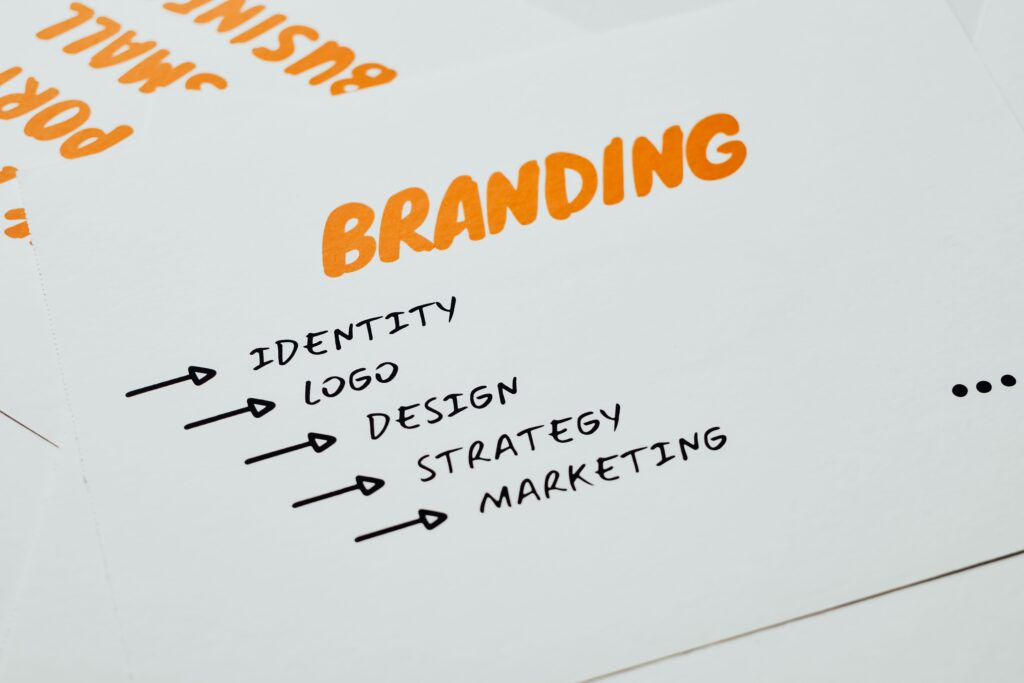
When we started out we thought branding meant picking a nice logo and a few colors that looked good together. We were wrong. Branding is what people feel when they think about your business. It is the sum of every experience they have had with you. The way your staff answers the phone. The way your website loads. The way you handled that one time something went wrong. All of it adds up in someone’s mind and forms an opinion about your business whether you planned it or not. A logo just gives that feeling a face. The real brand lives in people’s memory and it is built slowly through repeated experiences rather than one clever ad. We have sat in meetings where a client wanted to redesign their entire logo because sales were slow, thinking a fresh look would fix things. Sometimes a redesign helps but most of the time the actual problem was somewhere else entirely, usually in how the business was treating its customers or how slow it was to respond to them. A new logo cannot fix that.
Why We Stopped Chasing Price And Started Chasing Trust
Early in our work we used to think price was the main thing customers cared about. Lower the price and people will come. But after working with different clients across different industries we noticed something interesting. Businesses that charged more but were seen as honest and reliable often did better than the cheapest option in the market. People do not want the cheapest thing. They want the thing they feel safe buying. If they trust that a business will deliver what it promises they are willing to pay a bit more for that peace of mind. We have seen this play out again and again with clients who worried about competing on price and later realized their real competition was on reliability.
Being Consistent Matters More Than Being Perfect
One thing we always tell clients is keep your look the same everywhere. Same logo same colors same tone whether someone sees you on Instagram or on your website or on a business card. It sounds small but it makes a real difference. When something looks different every time people see it their brain quietly registers that as unreliable even if nothing is actually wrong. We worked with a client once whose social media had a completely different vibe from their website. The Instagram page felt fun and casual while the website felt stiff and corporate. Customers were confused about who they actually were. Once we aligned the tone and visuals across both places their engagement improved and so did the number of people actually reaching out to ask about services. Consistency also means showing up regularly. We have seen businesses post actively for a month, get excited about the response, then disappear for weeks because they got busy with other things. Every time that happens you lose a bit of the momentum you built and people start to forget you were even active in the first place. It does not need to be daily. It just needs to be steady enough that people do not feel like you vanished.
Honesty Wins Even When It Feels Risky
There is a temptation in marketing to stretch the truth a little. Make the product sound a bit more impressive than it really is. We understand the temptation because it can boost sales in the short term. But we have also seen what happens after. Customers find out eventually and once they feel misled they do not come back and they tell others not to bother either. The businesses we respect most are the ones that are upfront about what they cannot do as much as what they can. If a service has a limitation we tell clients to just say it. Customers appreciate that honesty far more than a polished pitch that oversells. It might cost you a sale here and there but it earns you a reputation that lasts. No amount of good marketing saves a bad product or a bad service. We have seen campaigns that brought in a flood of new customers only for the business to lose most of them within weeks because what they delivered did not match what was promised. Marketing can get someone through the door once. Quality is what brings them back and quality is what gets them talking about you to friends and family. If you are running a business and you have to choose between spending more on ads or spending more on improving what you actually deliver, choose the second one every time. The ads will work better anyway once word of mouth starts backing them up. We remember a client who insisted on doubling their ad spend to fix a slowdown in sales. We ran the numbers together and it turned out most of the drop was coming from repeat customers not coming back rather than a lack of new leads. The real fix was not more ads, it was figuring out why past customers had stopped returning. Once that got addressed the sales numbers recovered without spending an extra rupee on advertising.
Customer Service Is Marketing Whether You Treat It That Way Or Not
Every reply to a customer message is a small piece of marketing. Every complaint you handle well or badly shapes what that person thinks of your brand and what they tell others. We have seen a single well handled complaint turn an upset customer into someone who becomes genuinely loyal because they felt heard and taken care of. Respond quickly. Be polite even when the customer is not. If you made a mistake just own it and fix it instead of making excuses. People do not expect businesses to be perfect. They expect them to be honest and to care enough to make things right. Your Website Says More About You Than You Think Most people check out a business online before ever calling or messaging them. Your website is often the first real impression you make and it needs to hold up. It should load quickly. It should work properly on a phone since most people are browsing from one. It should clearly explain what you do without making people dig for information. We still come across business websites that take forever to load or look like they have not been touched in years. That alone makes people question whether the business itself is still active or reliable. A clean fast website does not guarantee trust on its own but a slow confusing one will definitely cost you some.
Search Visibility Builds Credibility Without You Saying A Word
There is something about showing up naturally in a Google search that makes a business feel more established even if it is not a big company at all. People searching for a service tend to trust results that show up on their own more than ads that are clearly paid placements. Writing genuinely useful content around the questions your customers actually ask helps with this. Not fluff content written to hit a word count but real answers to real questions people search for. Over time this builds both your visibility and the sense that you actually know what you are talking about. Social Media Works Better When It Is Not All Sales we have managed pages that posted nothing but promotions and the engagement was always flat. The moment we mixed in behind the scenes content, customer stories, useful tips and even small wins from the team, people actually started interacting. A feed that only sells gets ignored. A feed that occasionally shares something useful or human gets remembered. A rule we like to follow with clients is keeping most of the content helpful or relatable and only a small portion directly promotional. It keeps people around long enough to actually see the promotional posts when they do show up.
Talk About Pricing Instead Of Hiding It
Hidden fees and vague pricing frustrate people fast. Even if you cannot list exact prices for every service, explaining how your pricing works or why it is higher than a competitor goes a long way. We have seen businesses lose potential customers simply because pricing felt like a mystery they had to chase down through multiple messages. If your prices are higher because you use better materials or offer stronger support just say that plainly. People are usually fine paying more once they understand what they are actually paying for.
Reviews Are A Conversation Not Just A Rating
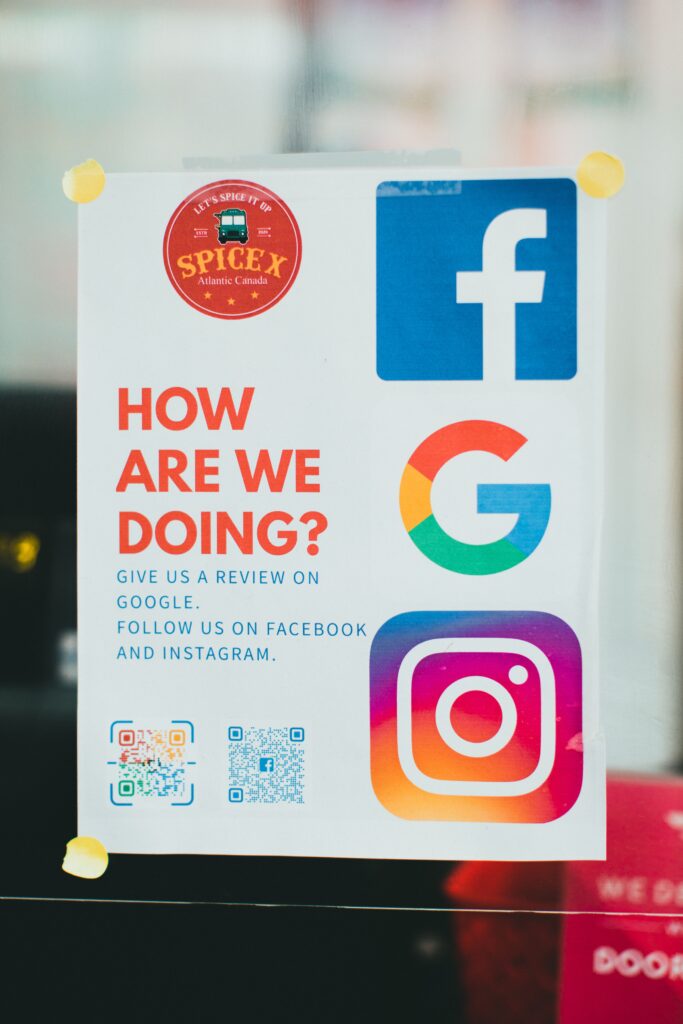
We always tell clients to respond to every review they get. Thank people for the good ones. For the not so good ones respond calmly, acknowledge the issue and offer to sort it out. Arguing publicly with an unhappy customer never ends well no matter how wrong they might be. Future customers are watching how you handle criticism just as much as they are reading the review itself.
Email Still Works If You Do Not Abuse It
A lot of people assume email marketing is outdated but it still works when it is done right. The mistake most businesses make is only emailing when they want to sell something. If every email is a sales pitch people eventually stop opening them. Mixing in useful tips, updates and the occasional offer keeps your emails welcome instead of annoying.
Video Content Builds Trust Faster Than Text
We have noticed that even a simple video of someone from a team explaining a service or answering a common question tends to do better than a polished paragraph saying the same thing. There is something about seeing a real face and hearing a real voice that makes a business feel less like a faceless company and more like people you could actually sit down and talk to. It does not need to be a big production. A short honest video shot on a phone often works better than something overly staged. Clients who introduce their team through video, or show a quick behind the scenes look at how they work, usually see people engage with that content more than a typical promotional post. It makes the business feel real and approachable instead of distant.
Your Team Is Part Of Your Brand Whether You Realize It Or Not
Every employee who talks to a customer represents the brand in that moment, whether they were trained for it or not. We have seen businesses spend a lot on marketing and very little on making sure their staff actually understands how to represent the company well. That gap shows up eventually, usually in a bad review or a lost customer who felt brushed off. Taking the time to make sure your team understands what the business stands for and how to handle customers properly pays off more than people expect. A friendly knowledgeable staff member can save a sale that a great ad already won halfway.
Stories Stick In A Way Facts Do Not
Every business has a story. Why it started. What problems it set out to solve. What the team actually cares about. We have noticed that clients who share this kind of story on their website or social pages connect with their audience faster than the ones who just list services and features. People remember stories. They tend to forget generic sales copy pretty quickly.
Small Personal Touches Go A Long Way
Remembering a returning customer’s name or what they bought before makes people feel like more than just a transaction. It does not need to be complicated. Even a simple thank you message after a purchase or a small note acknowledging their loyalty can leave a lasting impression. People stick with businesses that make them feel seen. We have seen a handwritten thank you card included with an order get more of a reaction from a customer than a discount code ever did. It is a small thing and it costs almost nothing but it tells the customer they were noticed as a person rather than just another sale. Those small moments tend to be what people actually remember and mention when they recommend a business to someone else.
Getting Involved Locally Builds Real Goodwill
Sponsoring a local event or supporting a community cause does more for a brand’s reputation than people realize. It shows customers that a business cares about something beyond profit. We have seen small local sponsorships create more genuine goodwill than a decent chunk of a digital ad budget would have.
Keep Track Of What Is Actually Working
None of this matters much if you are not paying attention to whether it is working. Keep an eye on repeat purchase rates, how often people refer others to you, what your reviews look like over time and how people engage with your content. This tells you where to put more effort and where you might be wasting time on things that are not actually building trust. It takes time but It Is worth It to build a brand people genuinely trust does not happen through one good campaign or one viral post. It happens slowly through every honest interaction, every problem solved properly and every promise actually kept. It can take months or even years of steady effort before it really pays off but once that trust is there it becomes one of the most valuable things a business has. Customers stick around longer, they refer more people and they forgive the occasional mistake because the relationship was built on something real.
If there is one thing we hope you take from everything we have shared here it is this. Marketing gets people curious. Trust is what actually grows a business. Focus on earning that and the rest tends to follow.