

What Is Branding?
It Is More Than Just a Logo whenever people hear the words “branding” or “brand,” their minds usually leap straight to a tangible product or a specific list of services. For instance, when you hear the name Communication Power Pakistan (CPP), you immediately think of its core offerings: advertising, Below-the-Line (BTL) marketing, and Above-the-Line (ATL) media campaigns. Similarly, when you think of academic institutions like IISAT, LUMS, or Harvard, the “product” that comes to mind is the education, the degrees they confer, the campus experience, or the elite set of skills they promise to instill

Advantages of Rebranding
Rebranding offers businesses an opportunity to refresh their image and remain competitive in a changing market. It helps attract new customers while strengthening relationships with existing ones by creating a modern and professional identity. A successful rebrand improves brand recognition, builds customer trust, and clearly communicates a company’s values and unique selling points. It also supports business growth by reflecting new products, services, or target markets. Rebranding can make marketing campaigns more effective because customers are more likely to remember a consistent and appealing brand. In addition, it helps businesses stand out from competitors and adapt to changing customer expectations. When planned carefully, rebranding increases credibility, enhances customer loyalty, and creates a strong foundation for long term business success.
Branding Is More Than Visual Identity
For other people, a brand is simply the surface-level impression or reputation that an organization carries in the public eye. It is incredibly common to conflate branding with visual assets like logos, carefully curated color palettes, and distinct typography. While these elements are crucial vehicles for a brand, they do not constitute the brand itself. According to branding expert Marty Neumeier, a brand is not what you say it is. It is a customer’s gut feeling about a product, service, or company.
How Customers Shape Your Brand
Because of this definition, we can technically say that thousands of individual brands exist simultaneously under a single corporate umbrella. Every single person who interacts with a business forms a unique idea, emotional reaction, or gut feeling about it. For example, one of our clients at CPP might have a gut feeling that our brand stands primarily for convenience and seamless execution. Another client might view us through a lens of economy and corporate responsibility. Yet, despite these varied individual perceptions, a powerful brand maintains a foundational common denominator. For CPP, that unchanging anchor is our unwavering reliability and our strict promise to deliver nothing less than the best.
Why Branding Is the Foundation of Business Success
Ultimately, branding is both the face and the most critical psychological foundation of a business. It encompasses your hard-earned reputation among the public, the actual real-world results of your services, your ability to combine raw operational materials into a flawless consumer experience, and the lasting emotional effect that your product leaves on your clients. True branding goes far beyond a sleek logo; it is the ultimate catalyst that fosters an admirable, lifelong relationship between a client and a service provider. What is the Invisible Barrier in Modern Business
The Invisible Barrier in Modern Business
Most entrepreneurs face immense difficulties when attempting to establish or scale their businesses. More often than not, this struggle does not stem from a lack of innovative ideas or a shortage of passion. Instead, it happens because they lack a proper, structured path to bring those ideas to life. They stumble at an extremely crucial checkpoint: strategic branding.
When a business lacks a clear identity, its messaging becomes muddy, its audience loses interest, and its growth plateaus. This is precisely the moment where rebranding becomes an absolute necessity rather than a luxury. Rebranding is a complete identity makeover. It is a deliberate, strategic overhaul designed to fundamentally shift how users perceive a company, all to cultivate that “better gut feeling” we explored earlier. A true rebrand goes deep beneath the surface, driving meaningful changes across three core dimensions:
- Auditory Branding
Auditory branding utilizes a characteristic sound or audio cue through which users can immediately recognize a brand, even without any visual context. The entertainment industry provides the gold standard for this concept: Netflix is universally recognized by its iconic, two-syllable “Ta-Dum” sound. The moment a viewer hears it, their brain prepares for entertainment. It is an instant, powerful trigger of brand recognition that functions entirely in the dark. - Sensory and Visual Branding
Sensory branding dictates the visual spirit of the company and governs how a brand is physically perceived by its users. A prime example is Communication Power Pakistan. CPP is instantly recognized by its characteristic alphabet ‘C’ logo, interwoven with distinct dots of blue, green, and red. These vibrant colors and shapes intentionally resemble radios and broadcast signals, seamlessly conveying the very nature of our communication and media services at a single glance.
Typography and color psychology play massive roles within sensory branding. The specific font choices and color palettes chosen by a design team exert a heavy psychological effect on clients. A minimalist, monochrome palette communicates sleek sophistication and modern efficiency, while a bold, colorful scheme radiates energy, creativity, and approachability.
- Internal Culture
A rebrand cannot just be external; it must reshape the internal environment of the company. It involves aligning the team’s values, behavioral standards, and customer service philosophies with the new external promise. If the company culture doesn’t match the new look, the rebrand becomes a hollow corporate facade.
When Should a Business Rebrand?
This brings us to our core question: When is the right time for a business to execute a rebrand?
A company should never alter its identity simply because the executives are bored with the current look. Rebranding demands a solid, justifiable operational transition. A business should officially initiate a rebrand when it meets one or more of the following critical conditions:
Identity Outgrown: The business has expanded far past its original scope, and the initial name, logo, or messaging now limits its perceived capabilities.
Altered Entrepreneurial Direction: The core business model, mission, corporate values, or long-term vision has fundamentally shifted.
New Target Audience: The company is intentionally pivoting away from its traditional user base to attract a completely new demographic of clients or users.
Outdated Aesthetics: The visual identity looks relics of a past decade, making the company appear out of touch or technologically stagnant.
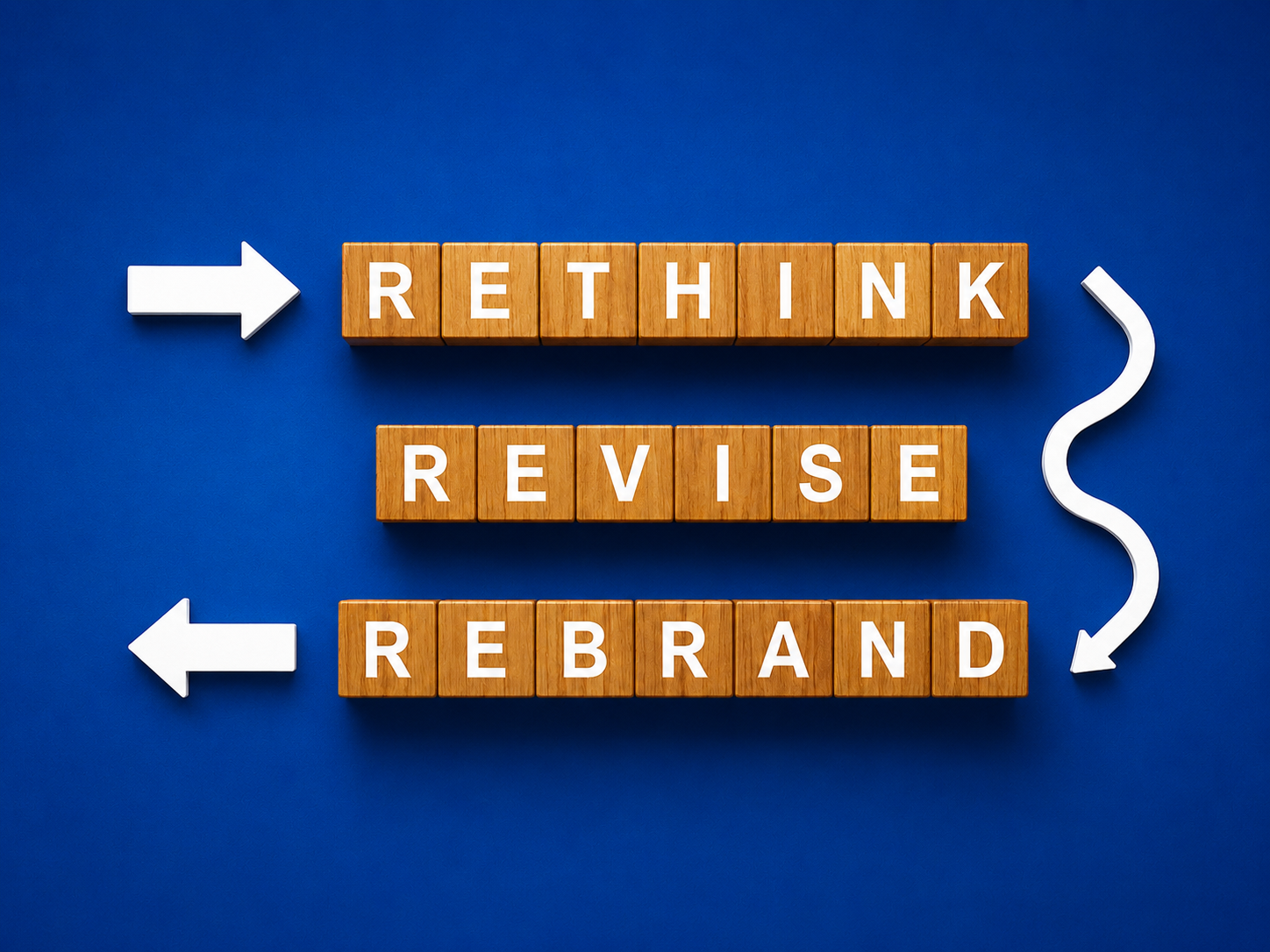
Increased Market Competition: New, aggressive competitors have entered the market, requiring the business to radically differentiate its positioning to maintain market share. Case Studies in Success: Masterful Brand Transformations
To understand how these principles work in the real world, we can look at a few global giants who timed and executed their pivots perfectly.
Dunkin’
For decades, the global food chain was known as Dunkin’ Donuts. However, as global consumer habits shifted drastically toward health, wellness, and mindful eating, a brand explicitly named after a fried dough treat began to face significant cultural headwinds. Furthermore, the company wanted to aggressively compete in the high-margin beverage market dominated by Starbucks.
Their subsequent rebrand was brilliant in its restraint. It was a partial rebrand: they retained their iconic, nostalgic pink-and-orange color palette and familiar typography, but boldly dropped the word “Donuts” from their name. They updated their entire brand positioning to focus on fast-paced breakfasts, premium cold brews, and seasonal beverages. It was a massive success. It successfully shifted customer perception away from an unhealthy donut shop and transformed the business into a modern, beverage-first destination.
Instagram
When Instagram launched in 2010, its entire brand identity was deeply rooted in vintage photography nostalgia, famously symbolized by its detailed, retro Polaroid camera logo. However, by 2016, the platform had evolved from a simple, niche photo-filtering application into a massive, multi-faceted global social media juggernaut.
Recognizing this massive internal evolution, Instagram launched a radical rebrand, replacing the vintage camera with a sleek, minimalist, vibrant gradient icon. While the change initially shocked users, it perfectly matched the app’s transition into a modern multimedia hub. It succeeded because it was backed by a genuine, profound shift in product reality.
Other incredible examples of successful, strategically sound transformations include Airbnb, Burger King, and Old Spice—each modifying their visual and cultural identities to recapture relevance and dominate their respective markets.
When executed at the correct time and for the correct strategic reasons, rebranding yields immense commercial rewards. It systematically builds deeper consumer trust, attracts fresh demographics, drives sales upward, repairs damaged corporate reputations, cleanly differentiates a business from its fiercest competitors, and dramatically improves digital presence and engagement across all modern platforms.
The Dark Side of Rebranding: High-Stakes Risks
While a successful rebrand can catapult a struggling business into a massive success, an ill-timed or poorly justified rebrand can cause the immediate downfall of a highly profitable enterprise. If a makeover is done incorrectly, a business risks alienating its most loyal customers, confusing its core audience, diluting its foundational heritage, and suffering from poor execution or inconsistent messaging.
The Tropicana Disaster
A classic cautionary tale of failed rebranding belongs to the famous juice company, Tropicana. In an attempt to modernize their packaging, parent company PepsiCo completely overhauled the brand’s familiar typography and imagery. They removed the beloved, iconic image of a fresh orange with a straw stuck into it, replacing it with a clean, minimalist glass of juice and a generic font.
The backlash was instant and catastrophic. To some consumers, the new packaging looked incredibly cheap and generic; to others, the visual departure made them genuinely believe that the recipe of the juice itself had been altered. Loyal shoppers literally could not find their favorite juice on supermarket shelves. The mistake resulted in a staggering loss of $30 million in just two months, forcing Tropicana to scrap the new designs and immediately return to their classic, orange-with-a-straw typography.
The GAP Logo Mockery
In a similarly rushed move, clothing retailer GAP decided to change its classic blue-box logo overnight. They replaced it with a plain Helvetica font accompanied by a tiny, gradient blue box resting awkwardly over the letter ‘p.’
The internet responded with a wave of intense mockery, criticism, and public outcry, with consumers labeling the design lazy, uninspired, and cheap. Having completely alienated its customer base without any strategic reason, GAP capitulated to the pressure and brought back its original logo after only six days. When businesses rebrand overnight without transparent, strategic logic, consumers feel deeply alienated, making it incredibly difficult for them to recognize or trust the business they once loved.
Rebranding Benifits (Our Client’s Proven Success)
Communication Power Pakistan (Cpowerpak) has been a key marketing partner in strengthening the brand presence of IISAT University through a long-term rebranding strategy. Since 2022, the agency has consistently supported the university with integrated outdoor and electronic media campaigns designed to increase public awareness, strengthen brand recognition, and drive student admissions.
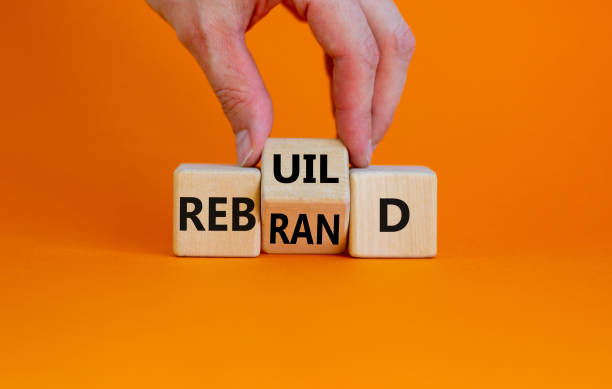
The rebranding initiative focused on establishing IISAT University as a modern institution offering quality education, professional faculty, and career-oriented degree programs. Rather than relying on a single advertising medium, Cpowerpak developed a multi-channel marketing strategy that keeps the university visible throughout the year. This consistent approach has helped build trust among students, parents, and the wider community while reinforcing IISAT’s identity in the competitive higher education sector. IISAT’s admission campaigns began in 2022 as the university launched its academic programs and public admissions. One of the most recognizable elements of the campaign has been the university’s billboard advertising. Since 2022, IISAT billboards have remained an important part of its outdoor branding strategy, appearing across major roads and high-traffic locations to maintain continuous visibility. These large-format advertisements showcase admission announcements, academic achievements, scholarship opportunities, and key university messages, ensuring that the IISAT brand remains familiar to thousands of commuters every day. The consistent outdoor presence has strengthened public recall and helped position the university among the leading educational institutions in the region.
Alongside outdoor advertising, Cpowerpak manages annual radio and television campaigns during every admission season. These campaigns are carefully scheduled to reach students and parents when they are actively searching for higher education opportunities. Radio commercials deliver clear and memorable messages, while television advertisements provide a stronger visual presentation of the university’s campus, academic environment, and student opportunities. Together, these media channels expand the campaign’s reach and reinforce the university’s brand across multiple audience segments. A key strength of the rebranding strategy is consistency. Every campaign follows the same visual identity, messaging style, and communication objectives. Whether audiences see an IISAT billboard on the road, hear a radio commercial during their commute, or watch a television advertisement, they experience a unified brand message that reflects professionalism, academic excellence, and student success.
The long-term marketing approach has contributed to sustained public awareness and supported the university’s admission efforts year after year. By maintaining continuous visibility instead of relying on short-term promotions, Cpowerpak has helped IISAT build a stronger market presence and a recognizable educational brand. The ongoing billboard campaign, combined with annual radio and television advertising, continues to play an important role in connecting the university with prospective students and their families. The IISAT rebranding campaign demonstrates Cpowerpak’s ability to develop integrated marketing strategies that combine outdoor advertising with traditional media to create lasting brand recognition. Through consistent communication, creative execution, and strategic media planning, the partnership continues to strengthen IISAT University’s public image and support its long-term growth.
Conclusion: The Strategic Path Forward
Branding is never an arbitrary collection of pretty colors, artistic fonts, or catchy audio jingles. At its core, branding is an ongoing, sacred covenant between a business and the consumer. It is the architect of the customer’s ultimate gut feeling, the custodian of corporate reputation, and the emotional bridge that transforms transactional buyers into lifelong brand advocates.
As businesses navigate a rapidly shifting economic landscape, the temptation to rebrand for the sake of novelty will always exist. However, as history clearly dictates, rebranding overnight without a profound, strategic anchor is a recipe for operational disaster. The only true path to a successful rebrand lies in meticulous, exhaustive groundwork. Conducting deep market research, accurately analyzing evolving customer needs, maintaining fierce visual and structural consistency, and actively valuing genuine customer feedback are the non-negotiable cornerstones of a successful identity shift. Furthermore, a highly calculated, transparent, and strategic launch plan is absolutely critical to guide the audience through the transition rather than shocking them.
For any business standing at the crossroads of change, the lesson is clear: do not rebrand to run away from who you are; rebrand to accurately reflect who you have successfully become. When guided by data, strategy, and respect for the consumer’s gut feeling, a rebrand can unlock unprecedented growth and solidify an organization’s legacy for decades to come.
If you want to learn more about how B2B leads geeration works or its advantages read B2B Lead Generation Guide: Simple Strategies to Get Business Clients or The Complete Guide to Local SEO for Pakistani Businesses and The AI Advantage: Better Marketing for Better Results