
Social media has become one of the most powerful tools for businesses and individuals to connect with an audience, but posting content alone does not guarantee attention. Many people upload photos, videos, and updates every single day only to watch them disappear into silence. Likes stay low, comments stay empty, and shares never happen. The problem is rarely the platform itself. The problem is usually the content.
Advantages of Social Media
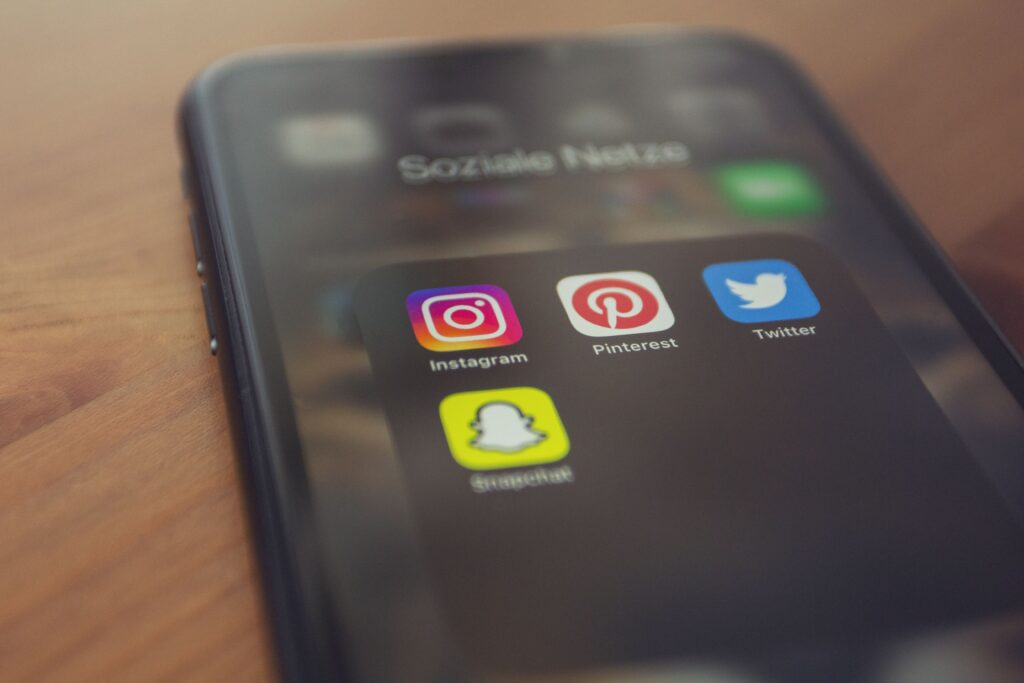
Social media has become an important part of our daily lives. It helps people stay connected with family and friends, no matter where they live. It is also a great source of information and news, allowing users to learn about current events quickly. Students can use social media to access educational content, join study groups, and improve their knowledge. Businesses use it to promote their products and reach more customers at a low cost. Social media also provides entertainment through videos, music, and games. Moreover, it allows people to share their ideas, talents, and experiences with others. When used wisely and responsibly, social media is a powerful tool for communication, learning, business, and personal growth.
Engagement is not something that happens by luck. It is earned through content that genuinely speaks to people, respects their time, and gives them a reason to interact. In this blog, we will look closely at how you can create content that naturally boosts engagement, without relying on gimmicks or empty tricks that stop working after a week.
Understanding What Engagement Really Means
Before improving engagement, it helps to understand what it actually represents. Engagement is not just a number on a screen. It is a signal that someone stopped scrolling long enough to feel something, whether that is curiosity, humor, agreement, or even mild disagreement.
A like shows quick approval. A comment shows a thought worth sharing. A share shows that someone believed their friends or followers would benefit from seeing it too. Each of these actions represents a small decision made by a real person, and understanding this helps shift the mindset from chasing numbers to genuinely connecting with people.
Why Most Content Fails to Get Engagement
It Talks at People Instead of With Them
A lot of content on social media reads like an announcement rather than a conversation. When a post only talks about a product or an achievement without inviting the audience into the story, people have no reason to respond. Content that asks questions, invites opinions, or reflects the audience’s own experiences tends to spark far more interaction.
It Lacks a Clear Purpose
Every piece of content should have one clear goal. Some posts aim to inform, some aim to entertain, and some aim to inspire action. Content that tries to do all three at once often ends up doing none of them well. A clear purpose behind each post makes the message sharper and easier for the audience to respond to.
It Ignores the Platform’s Natural Behavior
Content written for a professional platform rarely performs the same way on a casual visual platform. Every platform has its own rhythm and tone. Ignoring these natural behaviors and posting the same content everywhere without adjustment often leads to weak results across all of them.
Building Content That People Actually Want to Engage With
Start with a Story, Not a Sales Pitch
People remember stories far longer than they remember facts or promotions. Instead of directly promoting a product or service, share the story behind it. Talk about the challenge that led to its creation, the mistakes made along the way, or the small moment that inspired the idea. A relatable story invites comments and shares because people naturally want to respond to something human.

Use Visuals That Support the Message
A strong image or video does not just decorate a post. It carries emotion and context that words alone cannot always express. Clear, well lit photos, short videos with genuine moments, and simple graphics that explain an idea quickly tend to hold attention longer than plain text.
Keep the Tone Human
Formal, robotic language creates distance between a brand and its audience. Writing the way a real person speaks, with warmth, honesty, and occasional imperfection, makes content feel approachable. People engage more openly when they feel they are talking to a person rather than reading a corporate statement.
Share Value Before Asking for Anything
Content that teaches something useful, solves a small problem, or offers a helpful tip earns trust naturally. When an audience feels they are gaining something from following an account, they become far more willing to engage, share, and eventually support that brand when asked.
Ask Genuine Questions
One of the simplest ways to boost interaction is asking a question that people actually want to answer. Avoid generic questions that feel forced. Instead, ask something tied closely to the content itself, something that makes people pause and think about their own experience before typing a reply.
The Role of Consistency in Engagement
Posting Regularly Without Overwhelming the Audience
Consistency does not mean posting several times a day. It means showing up reliably so your audience knows when to expect you. A steady rhythm, whether that is three times a week or once daily, builds familiarity over time. Familiarity naturally increases comfort, and comfort increases willingness to engage.
Maintaining a Recognizable Voice
When an audience can recognize your tone, humor, or perspective without even seeing your name attached, you have built something valuable. This recognizable voice becomes part of why people choose to engage with your content specifically instead of scrolling past it.
Encouraging Interaction Through Smart Formatting
Short Paragraphs and Clear Structure
Long blocks of text on social media often get skipped entirely. Breaking content into short, digestible pieces makes it easier for people to read quickly and respond without feeling overwhelmed.
Using Polls and Simple Choices
Giving people an easy way to respond, such as choosing between two simple options, lowers the effort needed to engage. Many people who would never write a full comment are happy to tap a single option, and this small action still counts as meaningful interaction.
Encouraging Tagging and Sharing Naturally
Instead of directly demanding shares, create content that naturally makes people want to tag a friend or share it within their own circle. Relatable humor, useful information, or emotionally resonant stories are shared far more often than direct requests ever are.
The Power of Responding to Your Audience
Replying to Comments Genuinely
Engagement is not a one way action. When someone comments and receives a thoughtful reply, they feel valued, and this often encourages them to engage again in the future. Ignoring comments, on the other hand, quietly signals that engagement is not truly welcomed.
Acknowledging Feedback Publicly
When someone shares an opinion, whether positive or critical, acknowledging it publicly shows honesty and confidence. This transparency builds trust with the wider audience watching silently, even if they never comment themselves.

Timing and Platform Habits Worth Knowing
Engagement is not just about what you post, but when and where. A post that performs well on one platform at a certain time can fall flat on another simply because audience habits differ.
Instagram and Facebook audiences tend to be more active during evening scrolling hours and weekends, when people are relaxed and browsing casually. LinkedIn audiences behave almost the opposite way, engaging more during work hours on weekdays, since people check it between tasks rather than during downtime. Posting a casual, personal style update on LinkedIn late on a Saturday night, or a formal industry announcement on Instagram during a Tuesday lunch break, often underperforms not because the content was bad, but because it arrived at a moment the audience wasn’t in the right mindset to engage.
Testing posting times over a few weeks and tracking which slots produce more comments and shares, rather than relying on generic best time to post advice found online, gives a far more accurate picture specific to your own audience.
Measuring What Is Actually Working
Look Beyond Just Likes
While likes offer a quick glance at approval, comments and shares reveal deeper interest. Reviewing which posts generate genuine conversation rather than passive likes helps identify what truly resonates with your audience.
Track Patterns Over Time
Instead of judging a single post, look at patterns across weeks and months. Notice which types of stories, formats, or topics consistently perform better. This pattern recognition becomes far more useful than reacting to one viral moment that may never repeat itself.
Adjust Based on Real Feedback
If a certain type of content consistently underperforms despite repeated attempts, it is worth adjusting rather than forcing it further. Listening to what the audience naturally responds to, rather than what you assume they should like, leads to steadier long term growth.
Common Mistakes That Quietly Kill Engagement

Overloading Content with Promotions
Constantly pushing sales or promotions without offering anything else tires an audience quickly. A healthy balance between value driven content and occasional promotional posts keeps followers interested rather than fatigued.
Copying Trends Without Context
Jumping onto every trending format without connecting it meaningfully to your own message often feels hollow. Trends work best when adapted thoughtfully rather than copied blindly.
Disappearing for Long Periods
Long gaps between posts break the rhythm you have built with your audience. Even a simple, honest update during a quiet period keeps the connection alive rather than letting it fade completely.
Practical Steps to Apply Immediately
Begin by reviewing your last ten posts and honestly noting which ones sparked real conversation. Identify common elements among the successful ones, whether that is tone, topic, or format. Choose one platform to focus on deeply rather than spreading effort too thin across many. Start asking genuine questions tied directly to your content instead of generic prompts. Reply personally to comments instead of leaving them unanswered. Test your posting times across two or three weeks and track which slots perform best for your specific audience. Track engagement patterns monthly rather than reacting emotionally to single posts.
Final Thoughts
Boosting social media engagement is not about chasing algorithms or copying whatever seems to be trending at the moment. It is about creating content that respects the audience’s time, speaks honestly, and invites real interaction rather than passive scrolling.
The accounts that consistently maintain strong engagement are rarely the loudest ones. They are the ones that genuinely understand their audience, stay consistent in tone and timing, and respond with real care.
If there is one lesson worth remembering, it is this. Engagement grows naturally when content feels like a conversation rather than a performance. The moment your audience feels heard and valued, they stop simply watching and start participating, and that shift is where real, lasting engagement begins.
Learn more about Tradional Marketing Vs Digital Marketing: Which Is Better? and 15 Costly Google Ads Mistakes You Need to Avoid to mak your campaign more stronger and value for money. For any queries contact us on Whatsapp