
Long before social media feeds and search engines existed, businesses were already finding ways to reach people in the streets, on the roads, and in the places they naturally gathered. Outdoor marketing has survived every wave of digital change, not because it resists innovation, but because it taps into something digital screens cannot replicate. It meets people in the real world, in the middle of their daily routine, without asking for permission to appear on a screen.
Many business owners assume outdoor marketing means simply putting up a large billboard and hoping for the best. In reality, effective outdoor marketing is a thoughtful blend of location, timing, message, and design working together. In this guide, we will walk through what outdoor marketing truly involves, the different forms it can take, and how to use it in a way that genuinely brings results.
What Outdoor Marketing Really Means
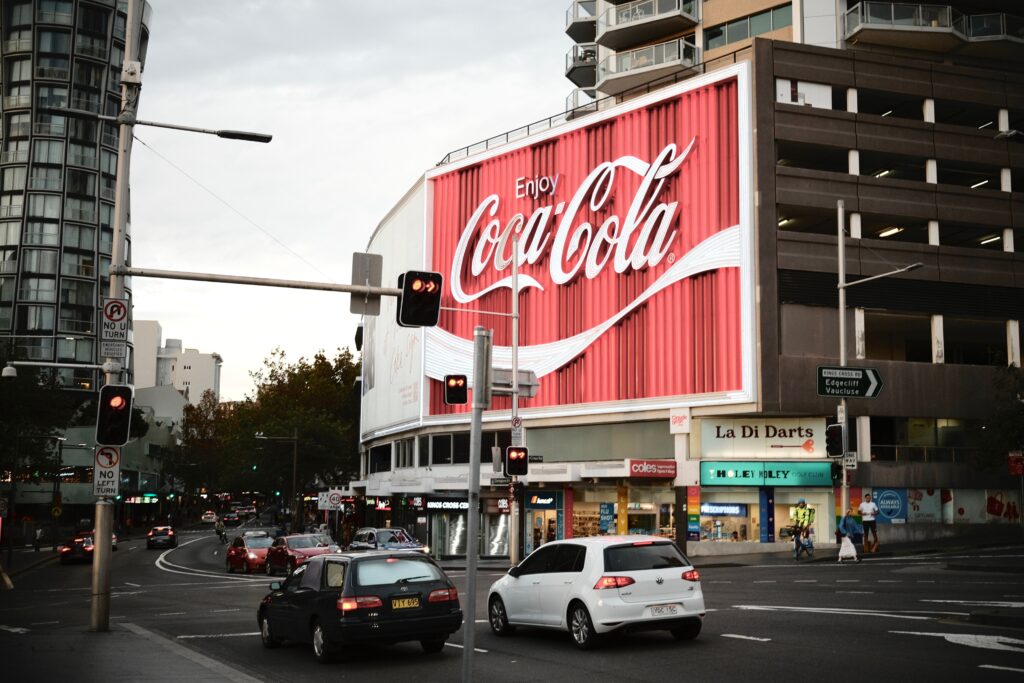
Outdoor marketing refers to any promotional effort that reaches an audience outside their homes, away from screens, in public or semi public spaces. This includes billboards, transit advertising, posters, banners, vehicle wraps, street furniture displays, and even creative installations placed in high traffic areas.
Unlike digital advertising, outdoor marketing cannot be skipped, blocked, or scrolled past. A person walking down a street or sitting in traffic sees what is placed in front of them, which is exactly why the message needs to be clear, quick to understand, and visually strong.
Why Outdoor Marketing Still Matters Today
It Reaches People Digital Ads Often Miss
Not everyone spends hours online, and even those who do eventually step outside. Outdoor marketing reaches commuters, shoppers, and pedestrians who might otherwise never encounter a brand’s digital presence. It fills the gap left by screen based advertising.
It Builds Real World Credibility
A brand visible on a busy street or a well placed billboard often feels more established and trustworthy in the eyes of the public. Physical presence in familiar spaces creates a sense of permanence that purely online brands sometimes struggle to achieve.
It Cannot Be Ignored the Way Digital Ads Are
Online users have grown skilled at ignoring banner ads or skipping video advertisements entirely. Outdoor marketing exists within the physical environment itself, making it far harder to tune out completely, especially when placed thoughtfully along daily routines.
It Supports and Strengthens Digital Campaigns
Rather than competing with digital marketing, outdoor advertising often reinforces it. Someone who notices a bold outdoor advertisement may later search for the brand online, creating a natural bridge between physical visibility and digital engagement.
Types of Outdoor Marketing Worth Considering
Billboards
Large format billboards remain one of the most recognizable forms of outdoor marketing. Placed along highways or busy intersections, they work best with a short, bold message and a clear visual, since viewers usually have only a few seconds to absorb the content while passing by.
Transit Advertising
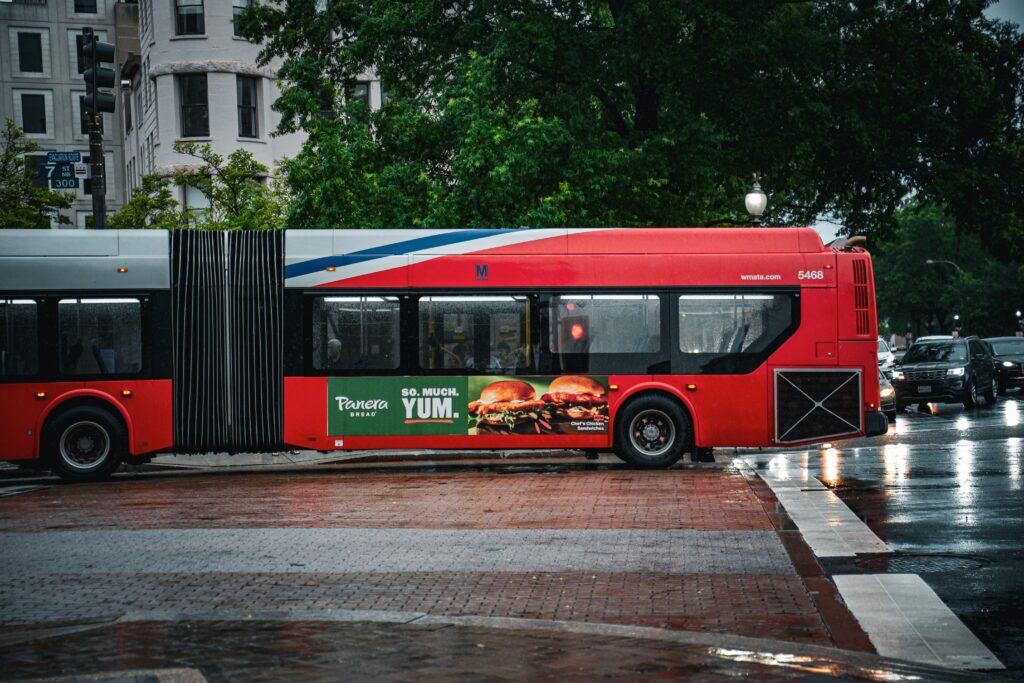
Advertisements placed on buses, trains, taxis, or within stations reach commuters who often spend extended periods waiting or traveling. This repeated exposure during daily routines helps a message settle into memory over time.
Street Furniture Advertising
Bus stop benches, kiosks, and public seating areas offer smaller but highly localized advertising opportunities. These placements work particularly well for businesses targeting a specific neighborhood or nearby customer base.
Posters and Wall Displays
Posters placed in high foot traffic areas such as markets, community centers, or near entrances of popular local spots offer an affordable way for smaller businesses to gain visibility without the cost of a large billboard.
Vehicle Wraps
Turning a company vehicle into a moving advertisement extends reach across every route it travels. This method works especially well for local service businesses that regularly drive through residential or commercial areas.
Creative Installations and Experiential Displays
Unique physical installations, pop up displays, or interactive setups placed in public spaces often generate curiosity and encourage people to stop, engage, and even share the experience with others, extending the reach beyond just those who physically encounter it.
Building an Effective Outdoor Marketing Message
Keep It Simple and Immediate
Unlike a webpage where someone can read at their own pace, outdoor marketing usually has only a few seconds to communicate its message before the viewer moves on. A single clear idea, paired with a strong visual, works far better than a message trying to explain too much at once.
Use Bold and Legible Design
Text needs to be large enough to read from a distance, and color contrast needs to be strong enough to stand out even in busy visual environments. A cluttered design with too much information often fails to communicate anything at all.
Focus on Emotion or Curiosity Rather Than Detail
Since outdoor marketing cannot explain lengthy features or benefits, focusing on a single emotion, a relatable moment, or a curiosity driven statement tends to leave a stronger impression than a detailed product description.
Include a Simple Way to Follow Up
Whether it is a short and memorable web address, a recognizable brand name, or a simple phone number, giving viewers an easy way to continue the interaction later helps convert outdoor visibility into digital engagement.
Choosing the Right Location
Consider Viewing Speed and Distance
A billboard along a highway needs a different design approach compared to a poster placed near a pedestrian walkway. Viewing speed and distance determine how much text and detail a design can reasonably include.
Think About Repetition Over Time
A single placement seen once may leave only a faint impression, but repeated exposure along a regular route, such as a daily commute, builds familiarity and recall far more effectively.
Understand Where Your Audience Actually Travels
Placing an advertisement in a high traffic area means little if that traffic does not match your target audience. A family focused business benefits more from placements near schools, parks, or residential areas rather than a nightlife district, for example.

Combining Outdoor Marketing With Digital Strategy
Encourage Online Search Through Curiosity
A well designed outdoor advertisement that sparks curiosity without giving away every detail often encourages viewers to search for the brand online later, creating a natural connection between the physical and digital experience.
Use Consistent Branding Across Both Spaces
Maintaining the same colors, tone, and visual identity between outdoor advertisements and digital platforms helps reinforce recognition. When someone who saw a billboard later encounters the same brand online, familiarity builds trust more quickly.
Track Digital Activity Following Outdoor Campaigns
Monitoring website visits, search volume, or social media mentions during and after an outdoor campaign can offer indirect insight into how effectively the physical placement influenced online behavior.
A Cooperative Approach to Outdoor Marketing
Outdoor marketing does not always need to be a solo investment. Small businesses within the same area can share the cost and visibility of a single outdoor placement by featuring multiple brands together, such as a shared community board or a joint poster near a local market.
A group of complementary businesses, like a bakery, a coffee roaster, and a bookstore, might create a shared street display or seasonal event banner that benefits everyone involved. This cooperative approach reduces individual cost while increasing the overall visual presence within a community, and it often builds goodwill among neighboring businesses rather than fostering isolated competition.
Community events, local fairs, and shared sponsorship of public spaces also fall under this cooperative spirit, allowing smaller businesses to access outdoor marketing opportunities that might otherwise feel financially out of reach alone.
Measuring the Impact of Outdoor Marketing
Track Changes in Foot Traffic
For local businesses, noticing whether foot traffic increases near the time an outdoor campaign runs offers a direct and practical measure of impact.
Monitor Brand Mentions and Searches
An increase in people searching for a brand name or mentioning it on social media shortly after an outdoor campaign begins often signals that the physical placement successfully caught attention.
Use Unique Promotional Codes or Links
Including a specific code or simple link exclusive to the outdoor campaign allows businesses to directly trace how many people took action after encountering the advertisement in public.
Gather Direct Customer Feedback
Simply asking new customers how they heard about a business can reveal surprisingly useful insight into whether outdoor marketing efforts are genuinely contributing to growth.
Common Mistakes to Avoid in Outdoor Marketing
Neglecting Maintenance and Upkeep
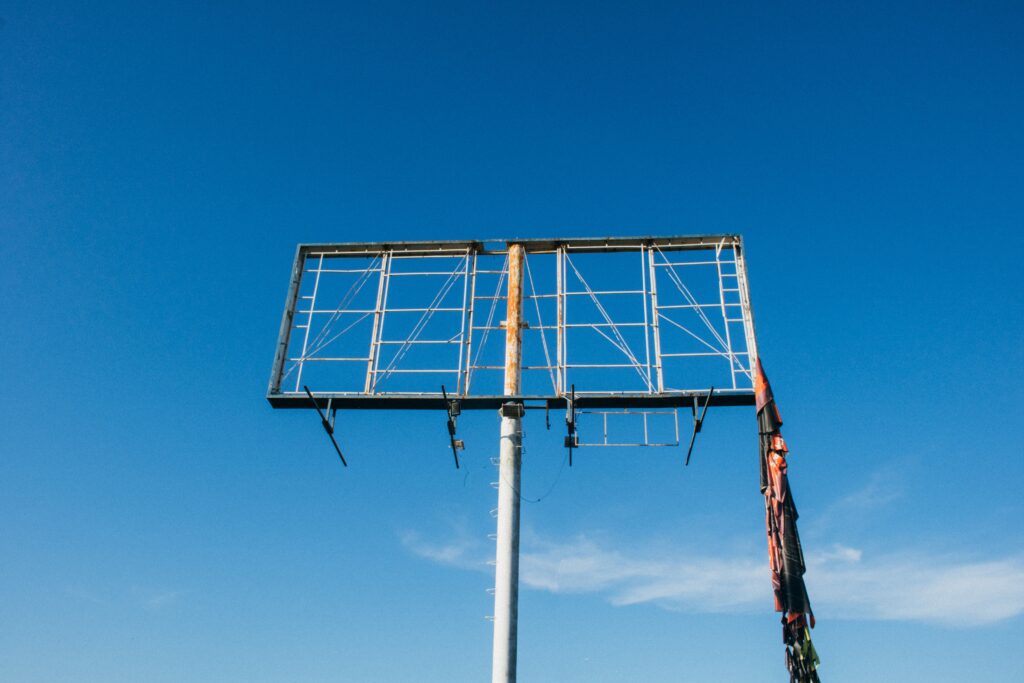
A faded, torn, or damaged outdoor advertisement reflects poorly on a brand’s image. Regularly checking and maintaining physical placements ensures the message continues representing the business well over time.
Overloading the Design With Information
Trying to include too much text, too many images, or multiple messages within a single outdoor advertisement often results in confusion rather than clarity. Simplicity almost always performs better in outdoor settings.
Ignoring the Viewing Distance and Speed
A design that looks perfect up close on a screen may become completely unreadable from a moving vehicle or a distant sidewalk. Testing visibility from a realistic viewing distance before finalizing any outdoor design helps avoid this mistake.
Choosing Location Based on Cost Alone
Selecting the cheapest available location without considering whether it aligns with the target audience often wastes the investment entirely. A slightly higher cost placement in the right location frequently delivers far better results than a low cost placement in the wrong one.
Practical Steps to Begin Outdoor Marketing Effectively
Start by identifying exactly where your target audience naturally spends time throughout their daily routine. Choose a placement type that matches both your budget and the pace at which your audience will encounter it. Design a simple, bold message with minimal text and strong visual contrast. Include an easy way for viewers to continue the interaction online, such as a memorable web address. Consider partnering with a complementary local business to share costs and visibility through a joint display. Track foot traffic, search activity, or direct customer feedback to measure whether the campaign is genuinely working, and adjust future placements based on those insights.
Final Thoughts
Outdoor marketing remains a powerful tool precisely because it exists where digital advertising cannot easily reach, within the everyday physical world people move through constantly. Its impact comes not from overwhelming detail, but from clear, bold, and thoughtfully placed messages that meet people exactly where they already are.
Businesses that succeed with outdoor marketing understand their audience’s real world movements, design with simplicity in mind, and often find strength in cooperative efforts with neighboring businesses rather than working in isolation. When outdoor visibility is combined thoughtfully with a consistent digital presence, it becomes far more than just a physical advertisement. It becomes the first genuine handshake between a brand and the community it hopes to serve.
Learn more about traditional marketing includes Radio & Newspaper read our blog How To Boost Your Business with Newspaper Marketing and The Complete Guide to Radio Marketing for Modern Businesses